What Is a Banshee? The Irish Legend of the Death Wail
Halloween folklore from Ireland: the bean sí, the keening women and the families she follows.
Aditya Challa3 min read
Summary
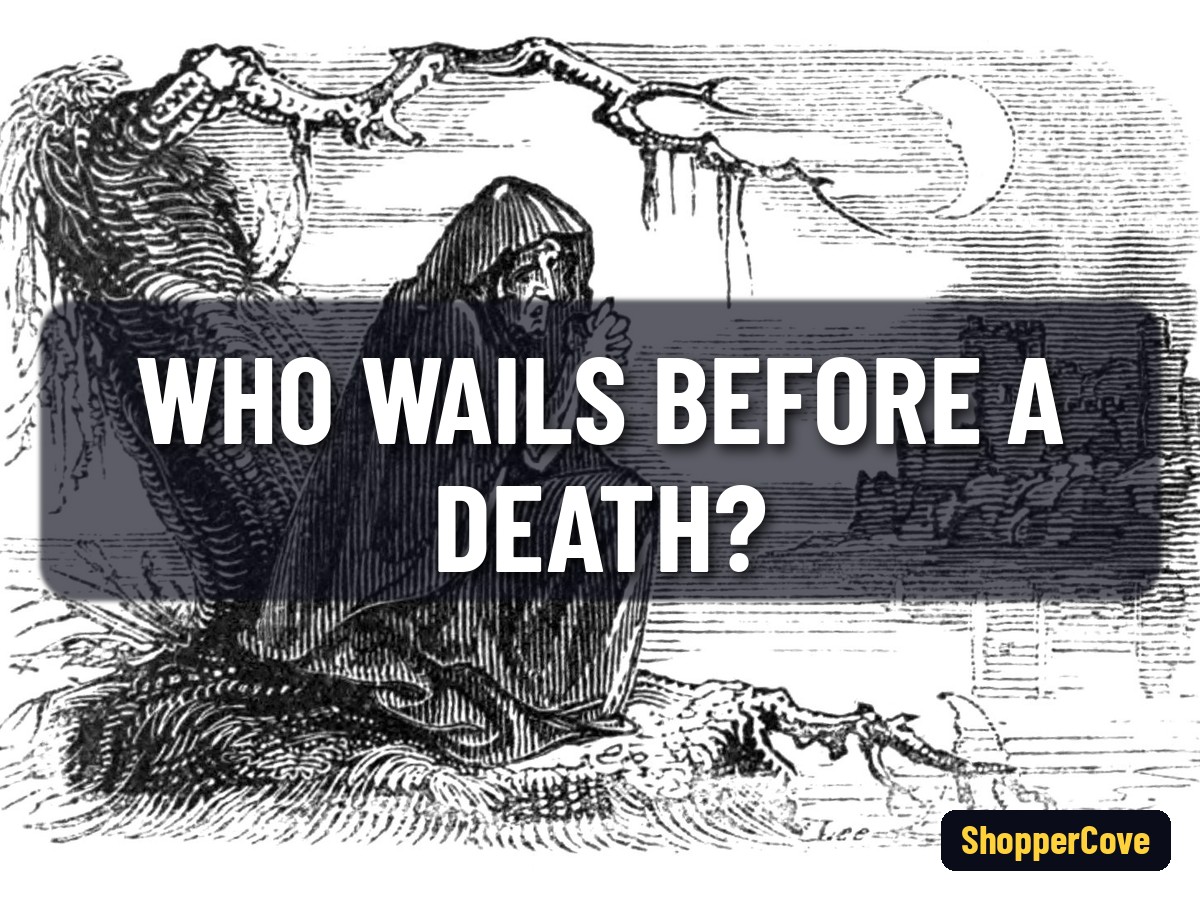
What is a banshee? In Irish folklore, a banshee (from the Irish bean sí, "woman of the fairy mound" or "fairy woman") is a female spirit whose wailing or keening is said to announce that a member of a particular family is about to die. She is a messenger of death, not a killer.
This post is about folklore. The banshee is a figure of belief and storytelling, not a creature documented by science.
Where does the banshee legend come from?
The name goes back to Old Irish ben síde. The síde are the ancient mounds that dot the Irish countryside and were linked with the otherworld of the fairies. Written mentions are old: Wikipedia's summary cites accounts as far back as the 1380 Cathreim Thoirdhealbhaigh (Triumphs of Turlough) by Seán mac Craith.
Why does the banshee wail?
Her cry echoes a real funeral custom. In Ireland the keen (caoineadh) was a lament sung over the dead at wakes, often led by a keening woman, the bean chaointe. A University of Limerick paper by Mary Mc Laughlin notes that folklorists Patricia Lysaght and Gearóid Ó Crualaoich have drawn parallels between the human keening woman and the bean sí. In the legend, the banshee keens before or at the moment of death, sometimes for a relative who has died far away, so her cry is the family's first warning.
Which families does the banshee follow?
Tradition links her to families of Gaelic descent, especially surnames beginning with O, Mac or Mc, such as O'Brien or McGrath. Folklore collectors still record banshee stories today: Ask About Ireland reproduces one collected in Carlow in 2009.
What does a banshee look like?
Descriptions vary from region to region:
- long streaming hair, which she is sometimes seen combing
- a grey cloak over a green dress, with eyes red from weeping
- a woman in white with red hair and a ghastly complexion
- most often short, from about one to four feet tall, though some tales make her unnaturally tall
Are there banshees outside Ireland?
Similar figures exist nearby. In Scottish folklore the bean nighe, or "washer at the ford", is seen washing the bloodstained clothes of people about to die. Welsh folklore has the cyhyraeth.
FAQ
Is the banshee real? There is no evidence that it is. It is a figure of Irish folk belief and storytelling.
Is a banshee evil? In most traditional tellings she warns of a death rather than causing it.
How do you say banshee? BAN-shee, close to the Irish bean sí.
Related
Sources
Lab evidence
What I found running this
Facts in this draft were checked on 16 Oct 2026 against the sources listed in the body (official help pages, libraries, publishers, encyclopaedias, research papers and legal references). No original testing or reporting was done; figures and dates are quoted as published by those sources, fiction and folklore are labelled as such, and any estimate or forecast is labelled as such.
Explore the product
Creators and marketers who want cartoon-style explainer videos
Animate Irish ghost legends for Halloween Shorts
Make a banshee folklore short with VidToonFind the folklore questions viewers search in October
Research Halloween video ideas with VidRankrKeep reading
What Is a Wendigo? The Algonquian Winter Legend
Folklore of the northern woods: hunger, greed and the creature horror borrowed.
Summary15 Oct 20262 min read
What Is La Llorona? Mexico's Weeping Woman Legend
Folklore of the weeping woman, from colonial tales to modern retellings.
Summary14 Oct 20262 min read
How to Turn Off YouTube Auto Dubbing for Your Channel?
The exact Studio setting, how to remove dubs already live, and the review-first option if you only want control.
Summary20 Oct 20264 min read